

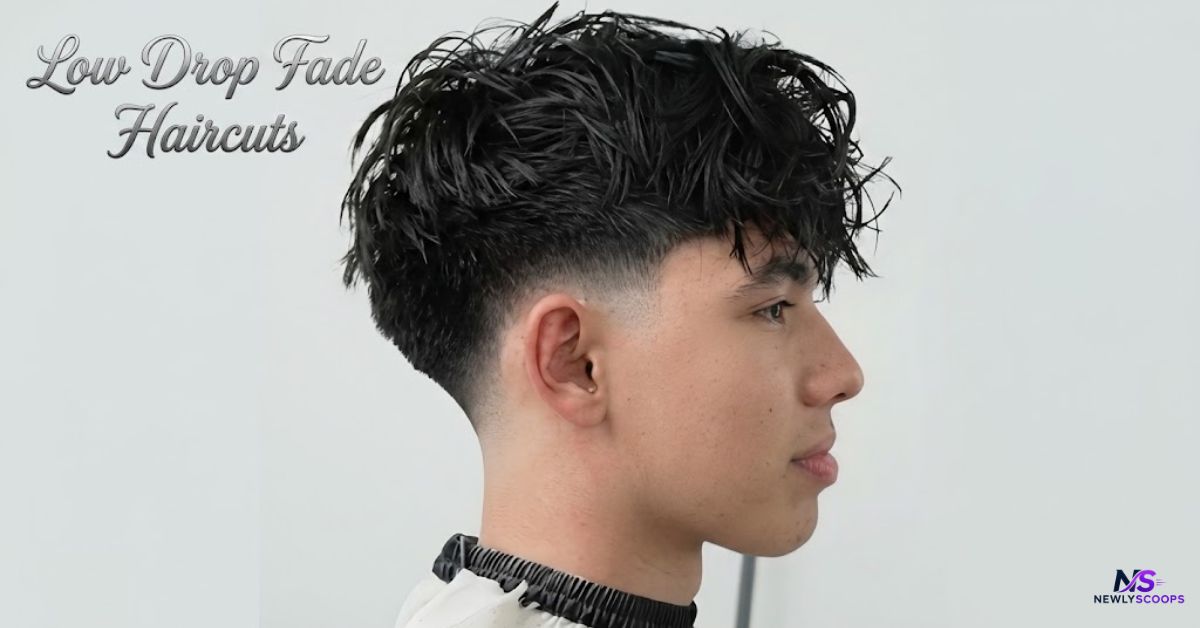
A modern fade works best when its height, shape, and top length match the wearer’s hair and styling routine. The curved drop pattern gives this haircut a distinctive profile while keeping the lower sides controlled.
The Low Drop Fade is especially flexible because it can be adapted to straight, curly, wavy, thick, fine, coily, and longer hair. The finished result depends on the fade height, neckline, guard length, texture, and amount of weight left above the transition.
Whether you prefer a clean crop, textured curls, waves, a side part, slicked-back hair, dreads, or a beard combination, the right version should work with your natural growth pattern rather than fight it.
What Is a Low Drop Fade?
A Low Drop Fade starts low around the sideburns and lower sides before curving downward behind the ears. Unlike a fade that maintains a similar height around the head, the drop follows the natural contour toward the neckline.
The curved transition is the defining feature. From the front, the haircut can resemble a traditional low fade, while the side and rear views reveal the distinctive downward movement.
The shortest section can be finished in several ways. A skin finish creates the strongest contrast, a zero guard leaves extremely short stubble, and a shadow finish preserves a little more visible hair.
The Low Drop Fade also leaves more weight above the transition than higher fade placements. That makes it useful for men who want clean sides without making the entire haircut look extremely exposed.
How Does a Low Drop Fade Look?
From the front, the sides appear neatly reduced while the top remains the visual focus. Looking from the side, the transition sits relatively close to the lower portion of the head.
Behind the ears, the fade curves downward toward the neckline. This creates a rounded profile that can look especially balanced when the top has enough length or texture to complement it.
The final appearance changes with hair density, guard selection, neckline design, top length, and styling method. Two people can request the same general cut and still receive noticeably different results.
Why Is It Called a Drop Fade?
The name comes from the way the fade drops behind the ears instead of remaining at one horizontal level.
That downward movement gives the haircut its signature silhouette. The barber uses the head’s natural shape as a guide, then blends the different lengths so the transition looks gradual rather than abrupt.
Read More: 40 Best Low Taper Fade Curly Hair Styles For Men
Best Low Drop Fade Haircuts and Styles
There are many ways to personalize the cut. Your best choice depends on hair texture, desired maintenance, top length, face shape, and how much contrast you want.
Low Drop Fade with Curly Hair
For curly hair, keep enough length on top for the natural curl pattern to remain visible. Removing too much around the sides can make the curls appear disconnected from the rest of the haircut.
A curl cream or lightweight leave-in conditioner can help define the texture without making the hair stiff. The barber should also account for shrinkage when deciding the top length.
Low Drop Fade with Straight Hair
Straight hair makes the transition particularly visible, so clean blending matters. You can combine it with a textured crop, fringe, side part, brushed-back finish, or relaxed messy styling.
Men with fine straight hair should avoid removing unnecessary weight from the top. Leaving some density can make the hairstyle look fuller.
Low Drop Fade with Wavy Hair
Wavy hair provides natural movement and texture. Keeping moderate length on top lets the waves become the main feature while the lower sides remain controlled.
A lightweight styling cream can enhance the waves without flattening them. Heavy waxes may make naturally loose texture appear greasy or weighed down.
Low Drop Fade with Textured Fringe
A textured fringe gives the haircut a youthful, casual appearance. The fringe can be worn short and choppy or longer with a softer forward movement.
Ask the barber to match the fringe to your natural growth direction. A small change in fringe length can significantly alter the proportions of the entire haircut.
Low Drop Fade with Bulk
Keeping bulk above the fade is useful for men who prefer a fuller silhouette. The extra weight can also support larger hairstyles and provide more styling flexibility.
The important detail is blending that weight smoothly into the shorter sections. A poorly connected transition can create a visible step instead of a deliberate shape.
Low Drop Fade V Shape

A V-shaped neckline creates a pointed finish in the center of the back. It can make the rear profile appear sharper and more deliberate.
The neckline should still complement the head shape and haircut. Some men look better with a softer rounded finish, while others prefer the stronger geometry of a point.
Low Drop Fade Buzz Cut
A buzz cut reduces the styling required on top while allowing the fade to become a major part of the haircut’s design.
You can choose a very short top for a minimalist appearance or retain more length with a larger guard. With less hair available to distract from the sides, accurate blending becomes particularly important.
Low Drop Fade for Black Men
Textured hair offers many opportunities with this style. Coils, waves, short natural textures, and other defined patterns can all work with a low curved fade.
A line-up can create a sharper forehead and temple area, while a natural hairline gives a softer result. The barber should preserve the natural density and direction of the hair rather than forcing an unsuitable shape.
Low Drop Fade with Beard
Combining the haircut with facial hair can create a connected appearance around the sideburns. The transition may be blended directly into the beard or separated for greater definition.
Consider the beard’s length and density before choosing the connection. A shorter beard usually benefits from a subtle transition, while a fuller beard can support a stronger blend.
Low Drop Fade Blowout
A blowout leaves more volume on top and uses the faded sides to emphasize that height. It works especially well when the hair naturally has density or enough length to hold the shape.
The top can be directed upward, backward, or slightly away from the face. A lightweight product and controlled blow-drying can help maintain volume without making the hair rigid.
Low Drop Fade for Different Hair Types
Hair texture should influence both the cutting technique and the styling plan. A haircut that works beautifully on straight hair may need different proportions for curls, coils, or fine strands.
Straight Hair
Straight hair reveals the fade line clearly. Texture can be added with a crop, fringe, side part, or loose brushed-back finish.
Curly Hair
Curly hair needs enough length to display its pattern. Shrinkage should be considered because curls can appear considerably shorter after drying.
Wavy Hair
Wavy hair can remain medium length for a relaxed finish. Avoid excessive heavy styling products if you want the natural movement to remain visible.
Thick Hair
Thick hair gives you plenty of styling possibilities but may need controlled weight removal. Keeping some density can preserve a fuller appearance while preventing the top from becoming difficult to manage.
Fine Hair
Fine hair usually benefits from strategic cutting rather than aggressive thinning. A textured top can create visual movement while retaining enough density to avoid a sparse appearance.
Coily and Afro Hair
Coily and Afro textures can look excellent when the natural pattern remains prominent above the fade. The barber should shape according to the hair’s existing direction and density.
A well-planned cut can create contrast without unnecessarily reducing the top. Moisture, gentle handling, and appropriate styling products can also help preserve definition.
Low Drop Fade Haircuts by Top Style
The top determines much of the haircut’s personality. A shorter top creates a practical appearance, while medium or long hair provides more room for styling.
Low Drop Fade with a Crop
A crop combines short textured hair with controlled sides. The fringe can sit forward, slightly upward, or unevenly across the forehead.
This is a practical choice for men who want a hairstyle that requires relatively little daily work. Texture powder or a small amount of matte product can emphasize separation.
Low Drop Fade with a Side Part
A side part adds structure and can make the haircut suitable for professional environments. The part can be natural or more clearly defined.
A natural part often looks softer, while a shaved part produces stronger contrast. Tell your barber where your hair naturally separates before choosing the design.
Low Drop Fade with Slick Back
A slick back requires enough top length to direct the hair toward the rear. The faded sides create contrast without competing with the longer upper section.
You can choose a polished finish with pomade or a more relaxed result using a lightweight cream. Finger styling produces more texture than a traditional combed finish.
Low Drop Fade with a Man Bun
Longer hair can be tied into a bun while the lower sides remain tidy. This option lets you maintain significant length without keeping the sides completely untrimmed.
It requires patience during the growing phase. Regularly cleaning the sides can make the longer top look intentional rather than unfinished.
Low Drop Fade with Dreads
Dreads can be combined with a lower fade to create separation around the ears and neckline. The length, thickness, and placement of the dreads should determine how much side hair is removed.
The barber should avoid cutting into the existing structure unnecessarily. A clean neckline can provide definition while allowing the dreads to remain the focus.
Low Drop Fade with Waves
Waves benefit from consistent brushing, suitable moisture, and enough hair length for the pattern to develop. The fade keeps the lower sides neat without taking attention away from the wave pattern.
A part can be added for extra definition. The final design should match the direction in which the hair naturally grows.
Low Drop Fade with Mohawk
A mohawk keeps additional length through the central section while reducing the sides. A low placement makes the result less extreme than a higher fade while maintaining a distinctive outline.
Curly and coily textures can provide natural height, while straight hair may require more styling to create the desired central shape.
Low Drop Fade vs Low Fade vs Low Taper

These terms describe related but different cutting approaches. The biggest differences involve where the hair is removed, how far the transition extends, and whether the fade follows a noticeable curved path.
Low Drop Fade vs Low Fade
A standard low fade generally stays at a relatively consistent low height around the head. A drop version curves downward behind the ears.
That distinction becomes easiest to see from the side and rear. If you specifically want the transition to follow the head’s contour, make the drop position clear to your barber.
Low Drop Fade vs Low Taper
A low taper normally concentrates the reduction around areas such as the sideburns and neckline while preserving more surrounding hair.
A Low Drop Fade generally creates a broader visible transition on the lower sides. If you are unsure which result you want, a reference photo can prevent a mismatch in expectations.
Low Drop Fade vs Mid Drop Fade
The main difference is height. A mid drop fade begins higher on the sides, which creates greater contrast and removes more side weight.
A Low Drop Fade keeps the transition closer to the lower sides, making it suitable for men who want more visible hair around the upper sides and temples.
How to Choose the Right Low Drop Fade
Your choice should reflect your hair, lifestyle, and preferred visual balance rather than simply following a trend.
Choose the Fade Height
A lower placement preserves more side weight and generally creates a more understated contrast. A mid placement produces a more noticeable transition.
Think about how much of your natural side volume you want to keep before the barber starts cutting.
Choose Skin, Shadow, or Guard Length
A skin finish removes the shortest section down to the scalp. A zero guard leaves extremely short hair, while a shadow finish creates a softer appearance.
If you dislike exposed skin, request a guarded or shadow finish. If you want maximum contrast, a skin finish may be more suitable.
Choose the Right Top Length
Short tops pair naturally with crops, buzz cuts, and textured styles. Medium length allows side parts, fringes, waves, and swept-back looks.
Longer hair opens the door to buns, dreads, larger textured shapes, and other styles. Decide how you normally wear your hair before choosing the length.
Consider Your Face Shape
The Low Drop Fade can be adjusted around different face shapes. Rounder faces can benefit from controlled height on top, while longer faces may look balanced with additional width and less vertical volume.
Square faces can accommodate many short and textured styles. However, face shape should be considered alongside hair texture, density, and personal preference.
How to Ask Your Barber for a Low Drop Fade
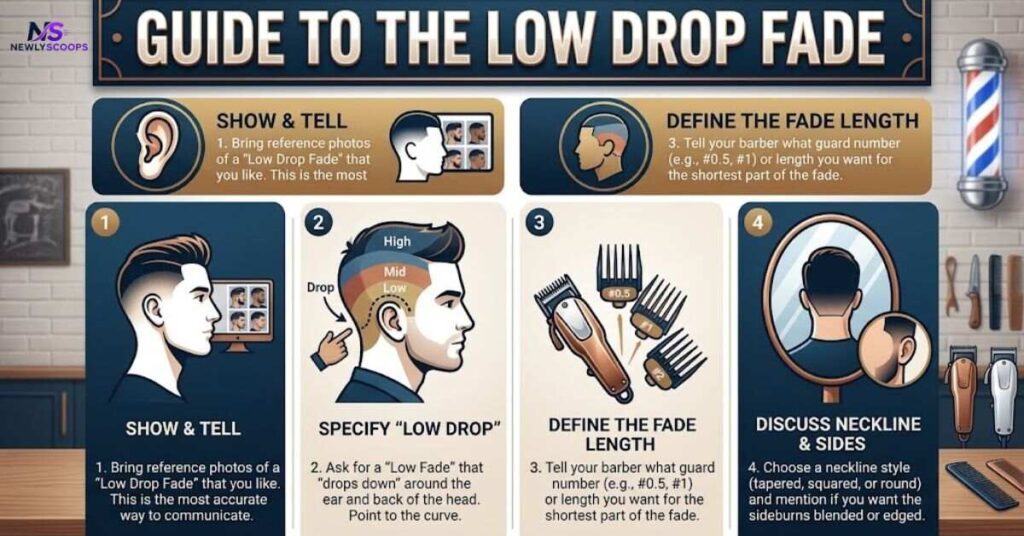
Clear instructions make it easier to receive the intended shape. Do not rely only on the haircut’s name because different barbers may interpret the requested height or finish differently.
What to Tell Your Barber
You can say:
“Keep the fade low on the sides, let it drop behind the ears, preserve the amount of weight I want, and leave the top at the length shown in my reference.”
Then explain:
- How short you want the shortest section
- Whether you want skin, zero, or shadow
- How much top length you want
- Whether you want side bulk preserved
- What neckline you prefer
- Whether you want a line-up
- How you normally style the top
- Whether you want the beard connected
- Whether you want a natural or sharper hairline
- How frequently you plan to return for maintenance
Show a Reference Photo
A photo communicates details that words can miss. It can show the exact fade height, rear curve, neckline, top length, and amount of contrast you prefer.
This is particularly helpful when requesting a variation such as a V neckline, curly texture, waves, a crop, or a beard connection. A reference also gives the barber a clear visual target before the first clipper pass.
How to Style a Low Drop Fade
The faded sections generally require little styling. Most of your daily work will involve the hair left on top.
Start With Clean Hair
Wash according to your hair texture and scalp needs. Apply styling products to damp or towel-dried hair when appropriate.
Avoid using excessive product simply to make the haircut appear more controlled. Natural texture often looks better when the hair retains some movement.
Use the Right Product
Matte clay can provide texture and separation, while a styling cream gives a softer finish. Pomade can create a smoother, more polished appearance.
Sea salt spray may enhance texture in straight or wavy hair. Curly hair often responds better to curl-friendly creams or lightweight leave-in products than heavy wax.
Blow-Dry for Shape
A blow dryer can help direct the top forward, upward, sideways, or backward. Use your fingers for a relaxed finish or a brush for more controlled shaping.
For volume, dry the roots against their natural direction before settling the hair into the final shape. Use moderate heat and avoid excessive drying.
How to Maintain a Low Drop Fade
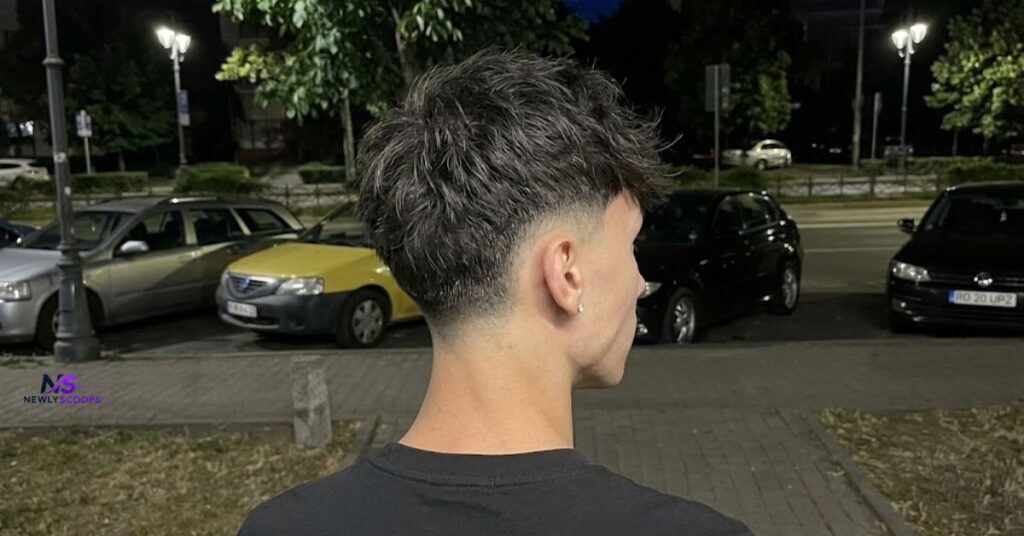
A fresh fade gradually becomes softer as the hair grows. Your maintenance schedule should therefore depend on how sharp you want the transition to remain.
How Often Should You Get a Low Drop Fade?
Many men refresh the sides every two to three weeks, although faster-growing hair may require earlier appointments. Others prefer allowing the fade to grow longer for a softer appearance.
The top can often remain untouched for longer, especially if you are growing it out. Your barber can clean the perimeter without removing unnecessary length.
Maintain the Top Between Barber Visits
Keep the top at a length that fits your daily routine. Curly and wavy hair may need regular moisture, while straight hair may require occasional trimming to maintain a fringe or part.
Use gentle handling when detangling textured hair. Avoid repeatedly applying heavy products if buildup starts making the hair difficult to style.
Keep the Neckline and Sideburns Clean
The neckline and sideburns strongly influence how fresh a haircut appears. Even when the main fade has grown out, cleaning these areas can restore some definition.
Avoid aggressively reshaping the neckline yourself unless you are confident with clippers. An uneven edge can be harder for a barber to correct later.
Low Drop Fade vs Other Fade Styles
Different fade names often describe either placement, finish, or cutting technique. Understanding those distinctions helps you request the result you actually want.
Low Drop Fade vs Shadow Fade
A shadow fade describes how much hair remains at the shortest section, while the drop pattern describes the shape and placement of the transition.
Therefore, you can combine both concepts. A low drop style can have a shadow finish when you want the sides short without exposing the scalp.
Low Drop Fade vs Skin Fade
A skin fade reaches the scalp at its shortest point. A drop fade does not automatically require a skin finish.
You can request a low drop shape with a skin finish or select a guarded finish for a softer transition. The choice depends on the contrast you want.
Low Drop Fade vs Taper Fade
A taper generally leaves more surrounding hair and concentrates the reduction around selected areas such as the neckline and sideburns.
A drop fade creates a more obvious faded section that follows the contour behind the ears. Neither is universally better; the better choice depends on the amount of visible contrast and side volume you prefer.
Low drop fade curly hair
Curly hair gives this haircut plenty of natural character because the top can retain its texture while the sides become cleaner. Keep enough length to prevent the curls from losing their shape after drying.
Ask your barber to consider shrinkage and curl direction before deciding the top length. A lightweight curl product can add definition while keeping the finish flexible.
Mid drop fade
A mid drop fade raises the transition higher on the sides, producing more contrast and reducing more of the side weight. It can work well when you want the haircut to look bolder from the side.
Compared with a lower placement, this option puts greater emphasis on the upper hairstyle. Consider it if you want a stronger silhouette and do not mind showing more of the sides.
Low drop fade black

Black hair textures can make a fade particularly striking because natural coils, waves, or curls create strong contrast with the shortened sides. The amount of hair removed should be based on density and the desired top shape.
A sharp line-up can make the finish more precise, while a natural edge produces a less structured appearance. Choose the option that matches your everyday grooming preferences.
Low drop fade straight hair
Straight hair clearly displays changes in length, so smooth blending is especially important. The top can be textured, parted, brushed back, or styled forward depending on its length.
Fine straight hair often benefits from keeping sufficient weight on top. That helps prevent the finished style from appearing too flat or thin.
Low drop Fade V
A V-shaped neckline adds a geometric point to the rear of the haircut. It can make the back appear more defined and works particularly well when the surrounding hair is kept neat.
Before choosing the point, ask the barber to assess your natural neckline and head shape. A softer neckline may create better proportions for some people.
Low drop fade Black men
Black men have a wide range of texture options, from tightly coiled hair to defined waves and short natural styles. The cut should preserve the texture you want while controlling the lower sides.
A line-up, beard blend, or defined neckline can add another layer of detail. The best result is one that works with the natural growth pattern instead of requiring constant correction.
Frequently Asked Questions
What is a low drop fade?
A Low Drop Fade starts low on the sides and curves downward behind the ears toward the neckline. The distinctive drop follows the natural contour of the head rather than maintaining one level all the way around.
Are fades haram in Islam?
There are differing Islamic scholarly opinions about fades, particularly depending on how extreme the haircut is and whether it resembles prohibited qaza. If religious compliance is important to you, ask a trusted qualified scholar or imam about the specific haircut.
What is better, low fade or taper?
Neither is automatically better. A low fade creates a clearer transition across the sides, while a taper usually preserves more hair around the sideburns and neckline. Your preferred level of contrast and maintenance should guide the choice.
Are low fades attractive?
Many people find low fades attractive because they can look clean without removing as much side volume as higher fades. Appearance is subjective, though, and the best result depends on the person’s hair, face shape, styling, and overall grooming.
Do girls like a fade?
Preferences differ from person to person, so there is no universal answer. A well-maintained haircut that suits your hair texture and personal style is generally more important than choosing a particular fade simply because you expect everyone to prefer it.
Conclusion
A Low Drop Fade is a versatile option for men who want clean lower sides while retaining useful length and personality on top. It can be adapted to curls, coils, waves, straight hair, crops, waves, dreads, longer styles, and beard combinations.
The key is choosing the right height, finish, neckline, and top length for your features and routine. Bring a reference image, explain what you want preserved, and work with your barber to create a shape that grows out well.
